It did not start with an app, a business plan, or a technology. It started with someone falling head over heels in love - and one question: how do you make the perfect invitation?
Not by deciding for somebody else what should be fun, but by offering something they can choose from themselves. A personal menu: these are the things I would love to do with you; which one speaks to you?
That simple idea turned out to be much bigger than dating. It worked for friendship and spending time together, especially for people for whom social expectations, unwritten rules, or the possibility of rejection can take a lot of energy. Clarity can lower tension. Choice can create safety. And an invitation can feel like what it really is: an opening toward connection.
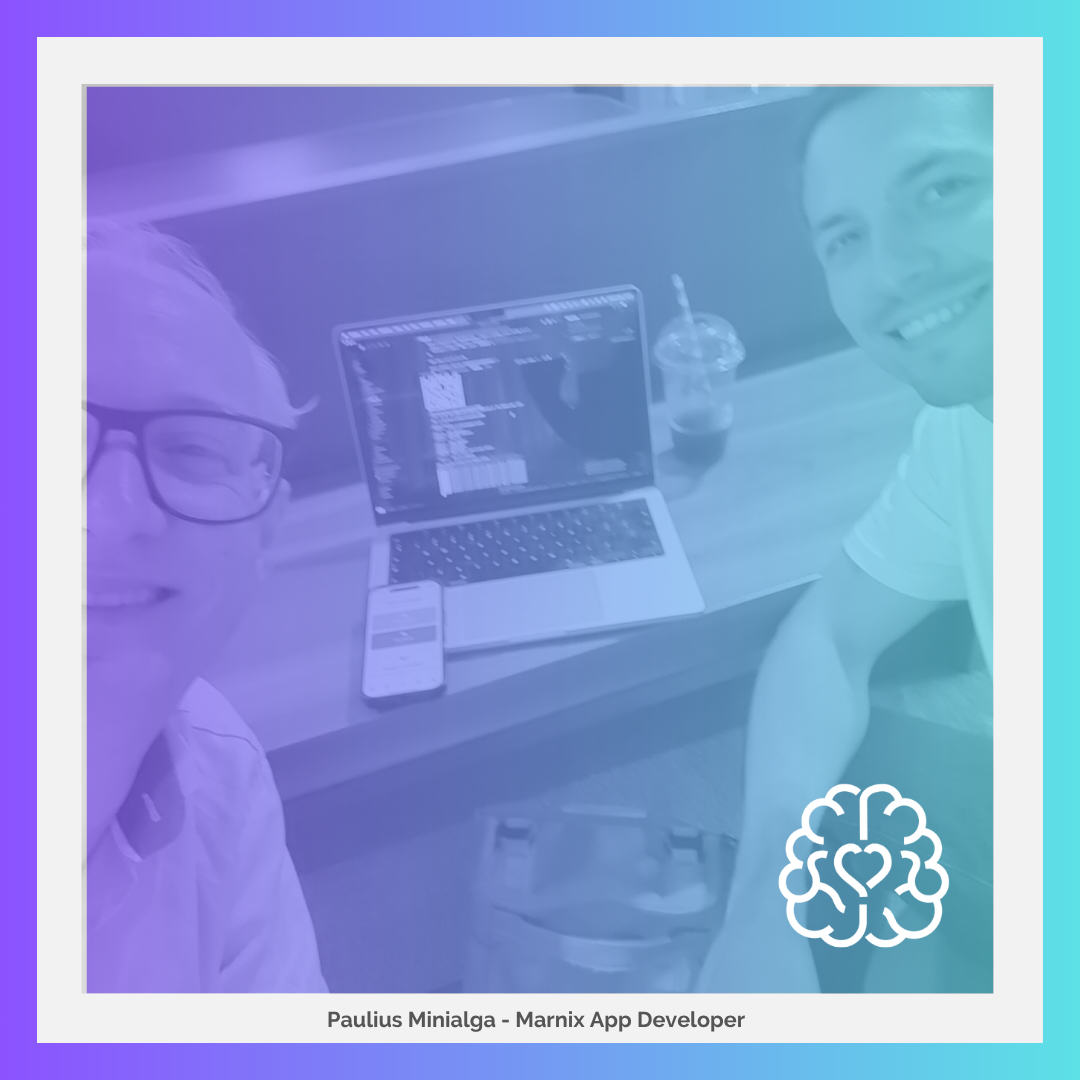
What followed was not a straight product roadmap. Each generation was rebuilt through new formats, communities and developers. Tjerk kept the underlying thread connected; Wybe Zeyl, Kees Heil and later Paulius Minialga made important digital generations possible, supported by Vincent and people around the Neurodiversity Foundation. The story began with love, but it grew through collaboration.
The developers in this story were more than people who wrote code. In each generation they took on a problem that many neurodivergent people know intimately: wanting connection while the unwritten rules around inviting, choosing, responding and showing interest can make that connection unnecessarily difficult. Their work was an act of care for the neurodivergent people using it now and for a new generation growing up with the expectation that technology can meet different minds where they are.
Together they kept searching for better ways to make an invitation easier and safer without making it dull: clearer, but also more playful, personal and exciting. The aim was never to make two people behave more typically. It was to give both people more room to show their unique selves, communicate preferences and boundaries, and meet each other from a position of strength.